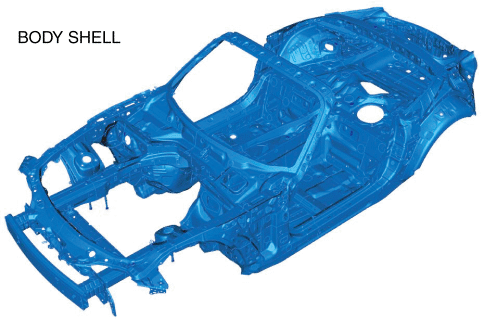
BODY SHELL
Purpose
The following structures have been adopted to absorb impact efficiently in the event of a collision and to suppress cabin deformation.
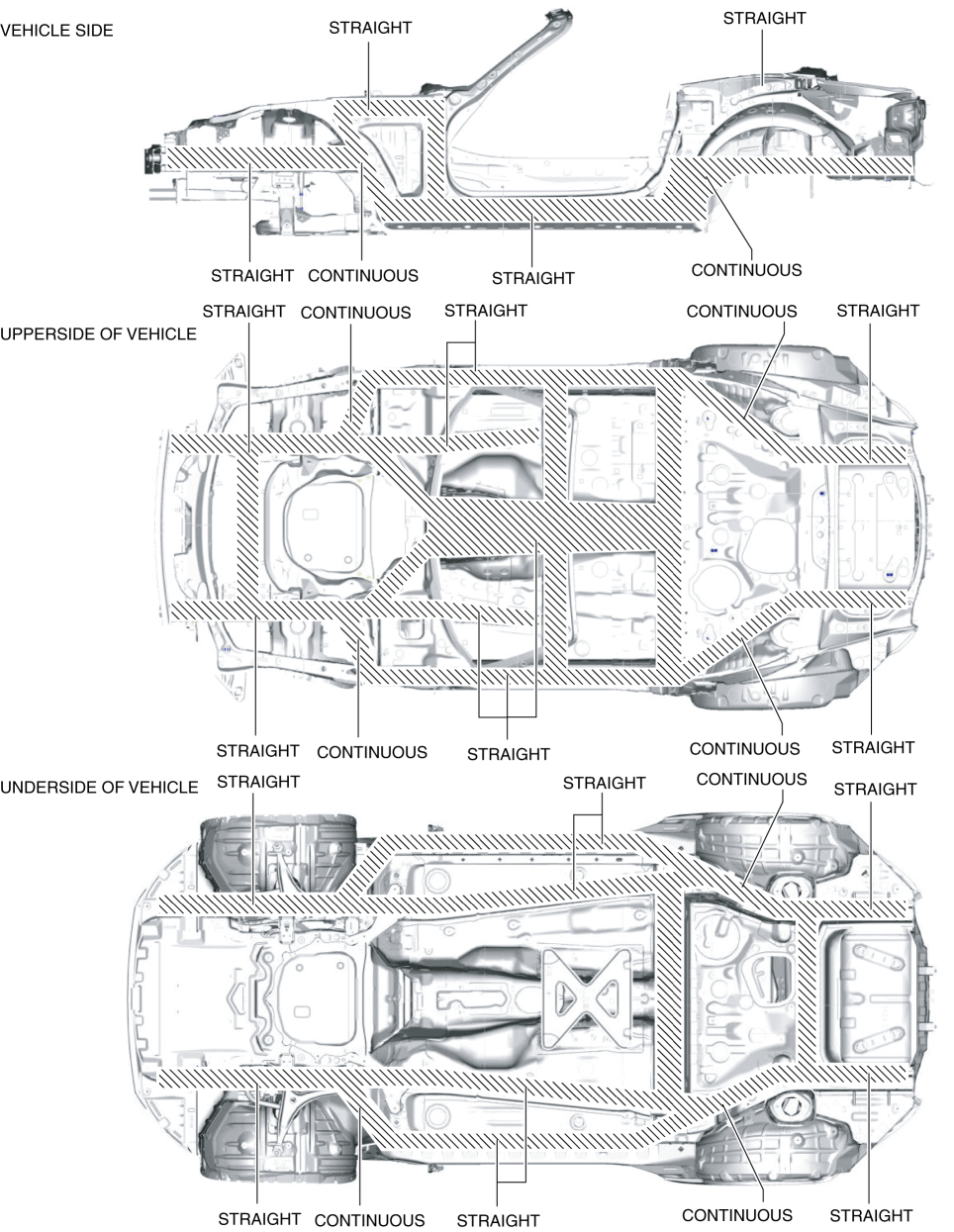
Straight structure which achieves both high strength and weight reduction
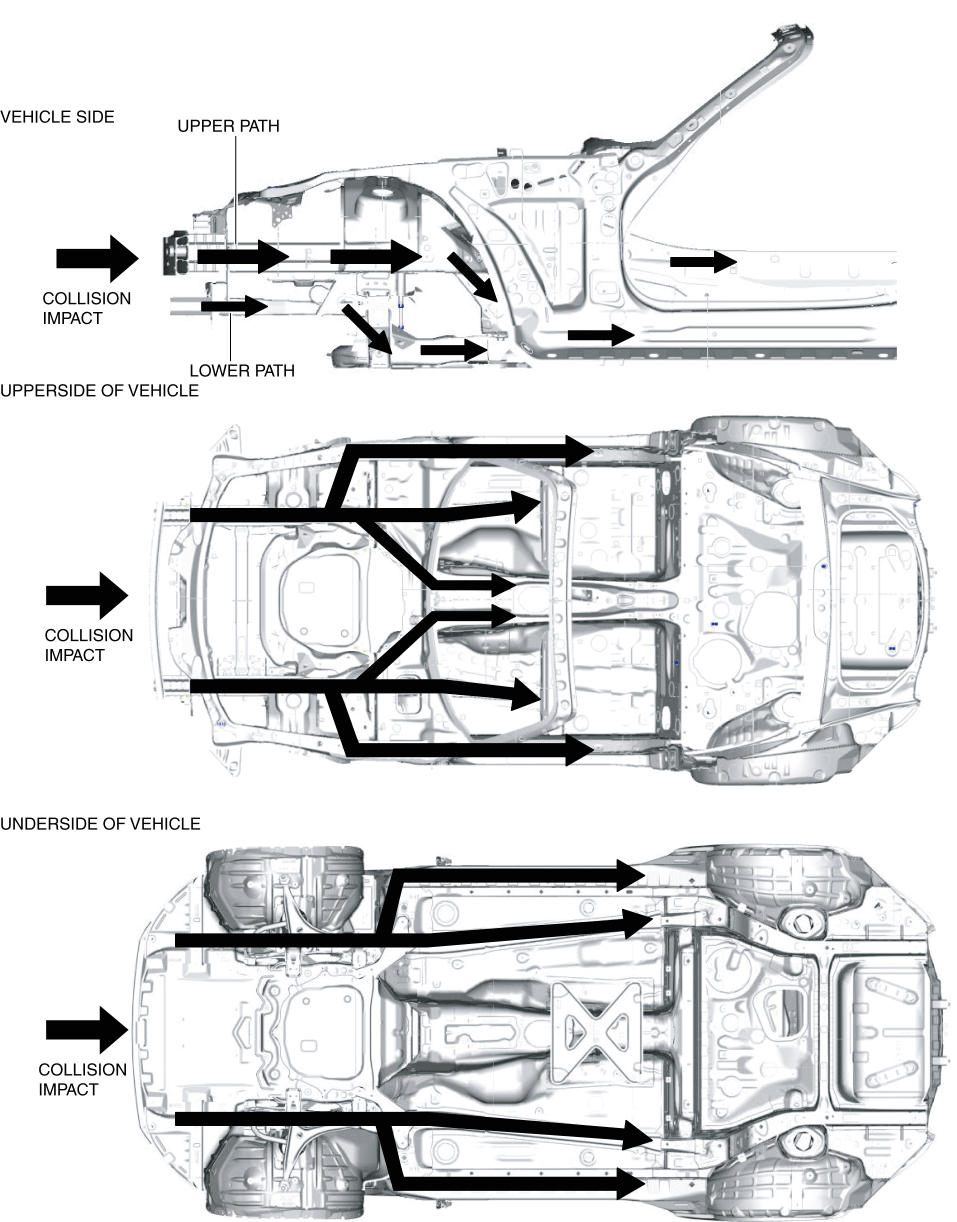
Multi-load path structure which assures a high level of collision absorption
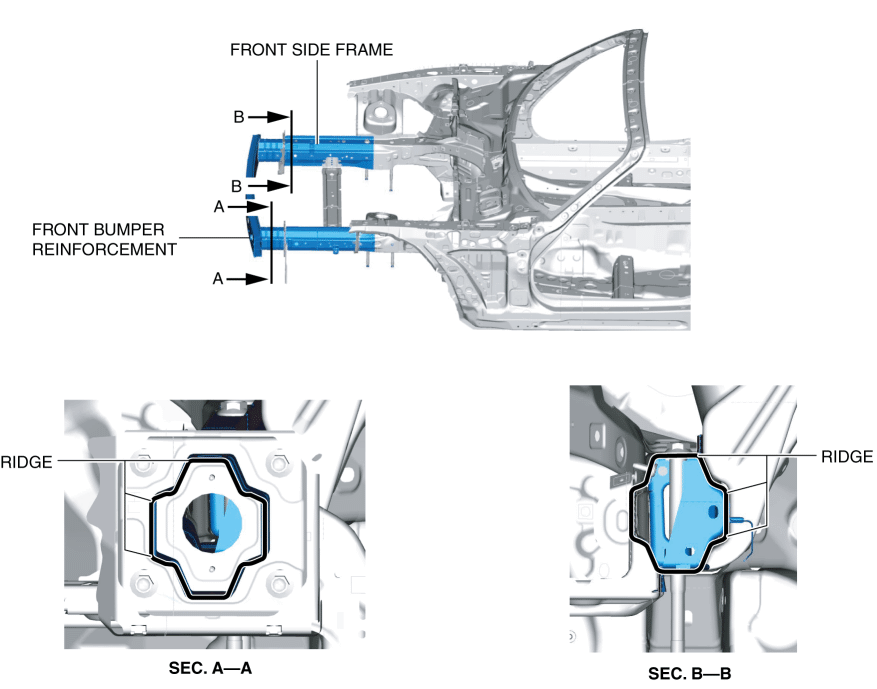
A cross-shaped sectional front bumper reinforcement crush can and front side frames have been adopted which effectively absorb impact energy during a frontal collision and suppress cabin deformation.
Structural View
Construction
Straight structure
The straight-shape frames create a continuous configuration from the front to the rear.
Multi-load path structure
Impact energy in a collision is dispersed in multiple directions and absorbed effectively.
To disperse and absorb frontal impact energy at the engine compartment, the following two paths have been established at the vehicle front (front frame).
Upper path
The upper path disperses and absorbs frontal impact energy from the front frame to the side body and floor.
Lower path
Not only the body parts, the front crossmember is also used to absorb impact energy. The lower path disperses and absorbs frontal impact energy from the front frame to B frame.
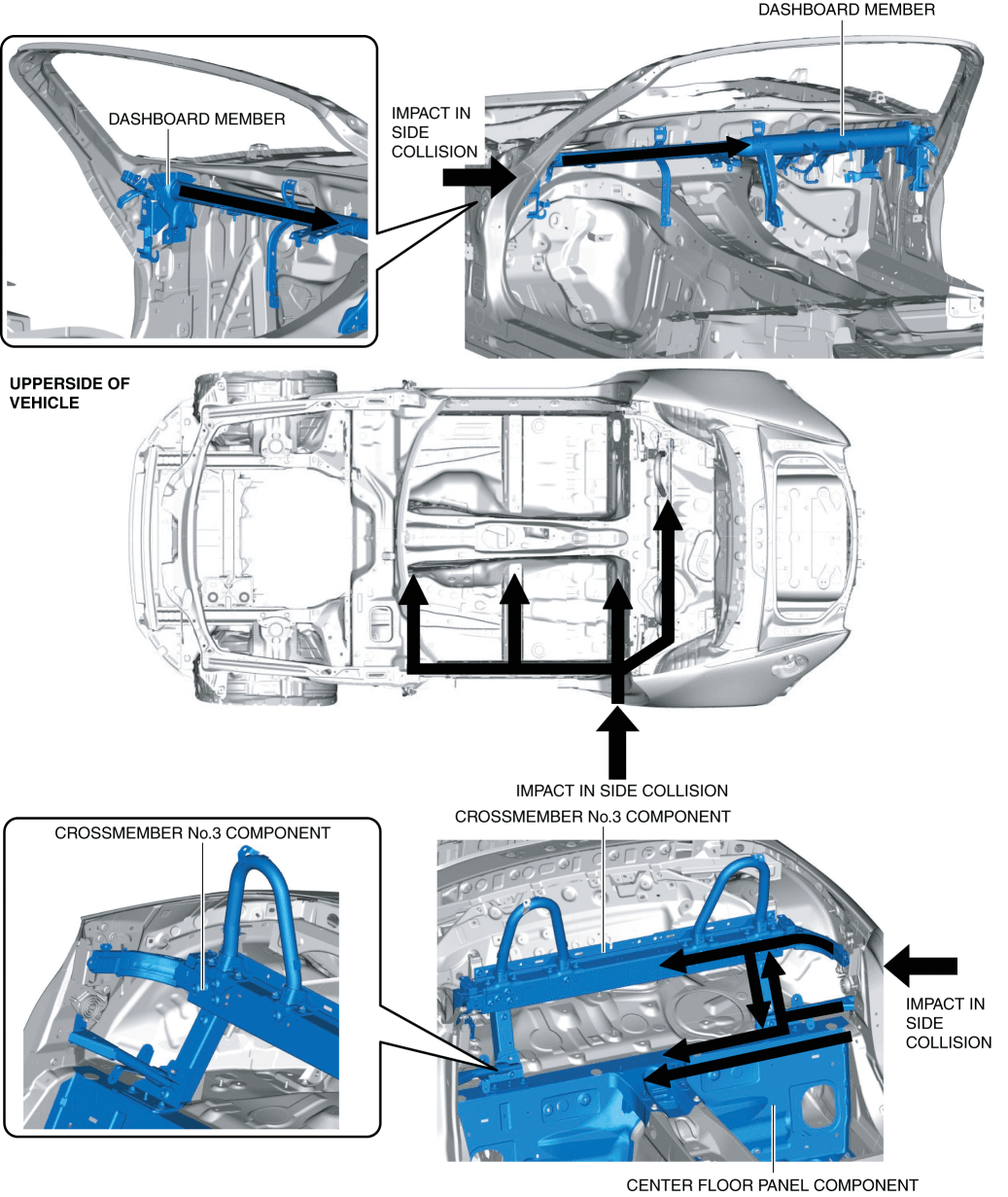
The dashboard member is used to absorb impact energy in addition to the body frame. The dashboard member absorbs impact energy from the hinge pillar during a side-impact collision.
The following has been achieved by supporting the rear side frame front which supports the door using the crossmember No.3 component and center floor panel component.
The overall rigidity has been enhanced to prevent cabin deformation.
The path for efficiently absorbing and dispersing side impact energy is assured.
Cross sectional shape
The strength is enhanced by increasing the number of ridges even using a steel plate of the same thickness. By utilizing this characteristic, the cross-section of the front bumper reinforcement crush can and front side frames is cross-shaped, achieving both high impact energy absorption and weight reduction.
Fail-safe
< Previous Next >
Not applicable